











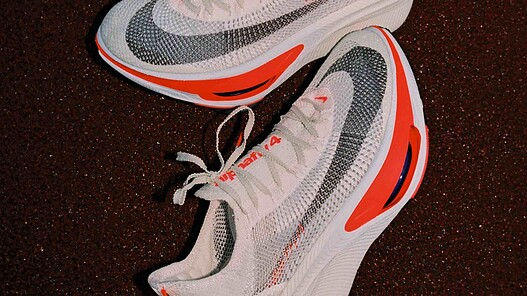
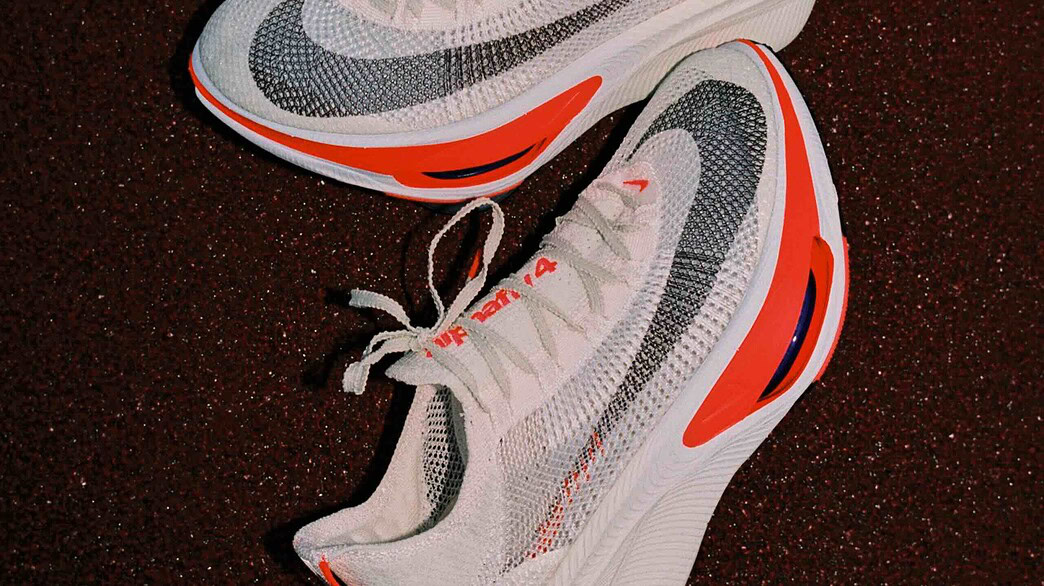
The Nike Alphafly has never exactly been a subtle running shoe.
With its towering stack, exposed Air Zoom pods and carbon plate, it has become one of the most recognisable silhouettes on the marathon start line — and a shoe closely associated with some of distance running’s fastest performances.
Now, Nike is giving its flagship marathon racer a fairly substantial overhaul.
The new Alphafly 4 is lighter than the Alphafly 3, introduces an entirely new foam, reworks the Air Zoom units and upper, and promises more energy return overall. But perhaps the most interesting part of the update isn’t simply making a fast shoe faster.
It’s what happens when your legs aren’t quite so fast anymore.
The Alphafly 4 has been developed with the latter stages of the marathon in mind, when fatigue starts changing running mechanics and holding pace becomes increasingly difficult.
And to do that, Nike has tinkered with pretty much every part of the shoe.
First, It’s Lighter
For something with this much going on underfoot, shaving weight off the Alphafly is significant.
The Alphafly 4 is 5% lighter than the Alphafly 3 in a men’s US size 8.5, despite retaining the familiar combination of a substantial foam stack, carbon-fibre plate and two Air Zoom units.
More importantly, that reduction hasn’t come at the expense of responsiveness. Nike reports 10% more energy return from the shoe compared with its predecessor.
Of course, energy-return figures measured in testing don’t automatically translate into a runner becoming 10% faster. What they do tell us is where Nike has focused its attention: getting more back from the shoe while asking runners to carry less of it for 42.195km.
The Biggest Change Is a New Foam
At the centre of the Alphafly 4 update is something called ZoomX LT. It’s a new foam that Nike says is up to 17% lighter than its standard ZoomX foam while delivering 8% more energy return.
And no, ZoomX isn’t disappearing.
Instead, the Alphafly 4 uses both ZoomX LT and ZoomX, positioned around the carbon-fibre Flyplate to create the shoe’s cushioning system. The new foam is intended to feel softer and bouncier while helping Nike bring the overall weight of the shoe down.
It’s worth separating two numbers here: the 8% increase refers specifically to ZoomX LT compared with standard ZoomX, while the 10% figure refers to the Alphafly 4 as a complete shoe compared with the Alphafly 3.
Those Air Zoom Pods Aren’t Going Anywhere
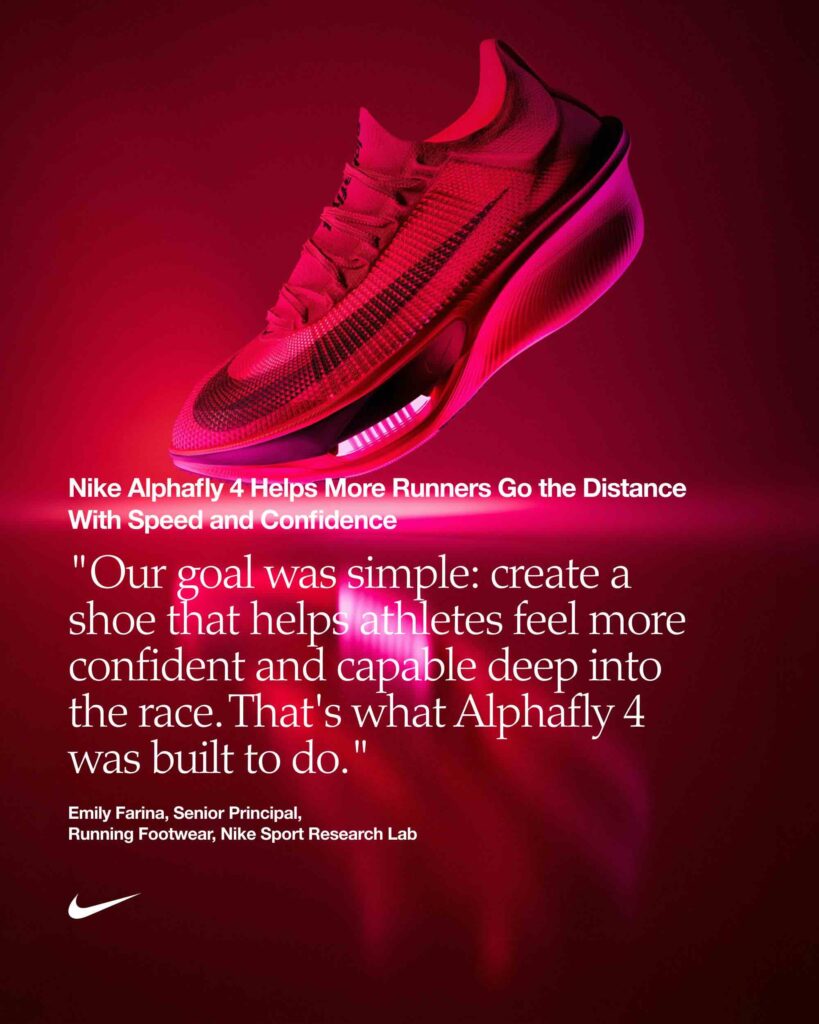
Take away those two pods under the forefoot and an Alphafly probably wouldn’t look like an Alphafly anymore. They’re still here on the fourth generation, although they’ve been updated.
The dual Air Zoom units have been tuned to work with the new foam configuration and Flyplate, rather than simply acting as two independent pockets of bounce under the forefoot.
It’s essentially the same Alphafly recipe – foam, air and carbon – but Nike has changed how those ingredients interact.
The Carbon Plate Is Still Very Much Part of the Formula
Sitting through the midsole is the familiar full-length carbon-fibre Flyplate. It retains the scooped geometry used to create that distinctive rolling sensation through the stride, while also providing stability within the large stack of cushioning.
Carbon plates often get most of the attention when discussing modern racing shoes, but the Alphafly 4 is a good reminder that the plate is only one piece of the puzzle.
Here, the Flyplate works alongside two different foams and the Air Zoom units to create the overall ride.
There’s a Completely New Upper Too
Anyone who has raced a marathon knows that what feels perfectly comfortable at 5km can become extremely annoying at 35km. So while most of the headline technology sits beneath the foot, Nike has also completely redesigned what sits around it.
The Alphafly 4 gets a new seamless Atomknit upper, designed to be lightweight and breathable while keeping the foot secure. There are zoned midfoot cables, an integrated heel unit and a moulded sockliner, all aimed at creating a more secure fit without unnecessarily adding weight.
It’s not the sexiest part of a super shoe update, but over 42.195km, it could be one of the more important ones.
Even the Outsole Has Changed
Flip the Alphafly 4 over and there’s another update. Nike has introduced a new lightweight Fast Shot outsole, designed to provide the traction needed for road racing while helping reduce weight.
Again, it’s not a dramatic headline feature on its own. But it illustrates how Nike approached this generation: rather than changing one major component, weight has been trimmed and performance refined across the entire shoe.
So What Is Nike Actually Trying to Achieve?
Put all of these changes together and the direction becomes clearer. The Alphafly 4 isn’t simply chasing maximum bounce.
It’s trying to deliver that bounce in a lighter package while helping runners remain efficient as their form begins to deteriorate. That’s particularly relevant in a marathon.
Few runners look the same at kilometre 38 as they did at kilometre eight. Cadence changes. Ground-contact time can increase. Form starts to collapse. And suddenly the pace that felt comfortable two hours earlier becomes considerably more expensive.
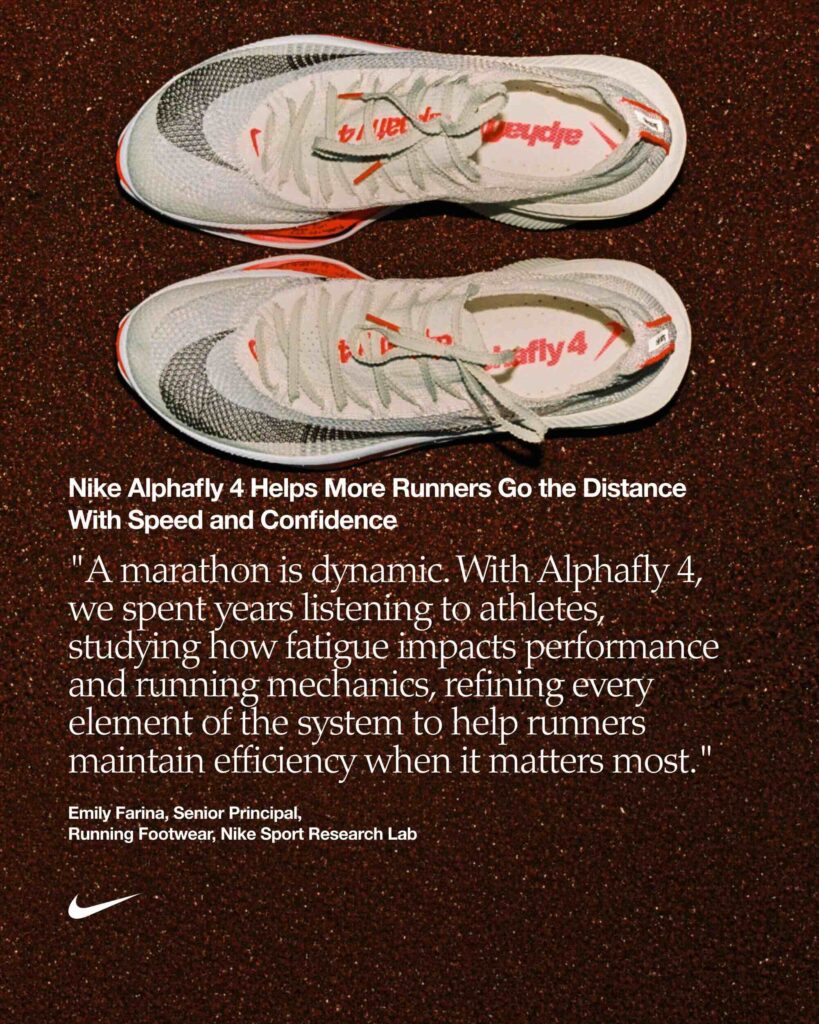
The Alphafly 4 was developed using athlete feedback across multiple generations of the shoe, alongside testing from the Nike Sport Research Lab.
Development also incorporated findings from Project Dreamweaver, Nike’s research initiative focused on female marathoners, as well as broader testing involving women and distance runners of different abilities.
The goal wasn’t only to create a shoe that feels fast when you’re fresh, but one that can continue working with you when you’re not.
The Alphafly Has Quite a Reputation to Live Up To
The fourth-generation shoe arrives with plenty of history behind the name.
The Alphafly lineage is inseparable from Eliud Kipchoge’s sub-two-hour marathon, while Nike’s racing shoes have subsequently been worn for a string of major distance-running performances.
That includes the late Kelvin Kiptum’s marathon world record, Sifan Hassan’s Olympic marathon victory in Paris, Conner Mantz’s American marathon record and Jacob Kiplimo’s half-marathon world record.
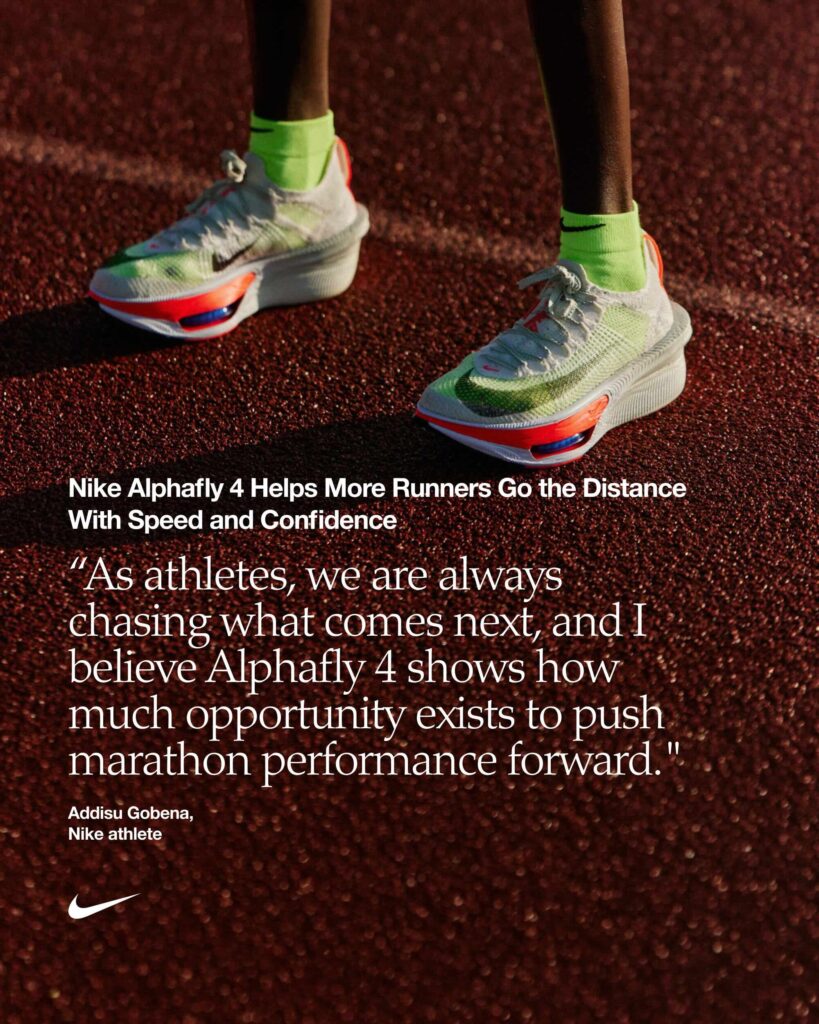
The Alphafly 4 itself has already made it onto the top step of a major marathon podium, with Ethiopia’s Addisu Gobena wearing the shoe while setting a course record in Sydney.
So, What’s Actually New?
If you’re coming from the Alphafly 3, there’s quite a bit. The Alphafly 4 is 5% lighter in a men’s US size 8.5 and delivers a reported 10% increase in energy return.
There’s the new ZoomX LT foam, used alongside regular ZoomX; updated dual Air Zoom units; the full-length carbon-fibre Flyplate; a completely redesigned Atomknit upper with zoned midfoot cables; a new integrated heel unit and moulded sockliner; and the lightweight Fast Shot outsole.
In other words, this isn’t an Alphafly 3 with a new upper and colourway.
Nike has changed almost every major component while keeping the basic philosophy of the shoe intact. And perhaps that’s the most intriguing thing about the Alphafly 4.
At this point, nobody really needs convincing that modern super shoes can help runners go fast. The more interesting challenge is whether they can help you stay fast when the marathon starts fighting back.
That’s what the Alphafly 4 is trying to answer.
The Nike Alphafly 4 received an early limited release on 17 September 2026, with wider availability beginning 29 October 2026 through Nike and selected retailers.